
The Rise of Economic Nationalism: Is Globalization Reversing?
Introduction
For more than three decades, globalization was widely viewed as the dominant force shaping the world economy. Companies built international supply chains, capital flowed across borders, trade barriers fell, and consumers benefited from access to cheaper goods from around the world.
The underlying assumption was simple: greater economic integration would lead to greater prosperity.
Today, that assumption is being challenged.
Governments are increasingly prioritizing domestic industries, national security, strategic autonomy, and economic resilience over pure efficiency. Tariffs are returning, industrial policies are expanding, and countries are rethinking their dependence on foreign suppliers for critical goods.
This shift has fueled a growing debate among economists, business leaders, and policymakers:
Is globalization reversing, or is it simply entering a new phase?
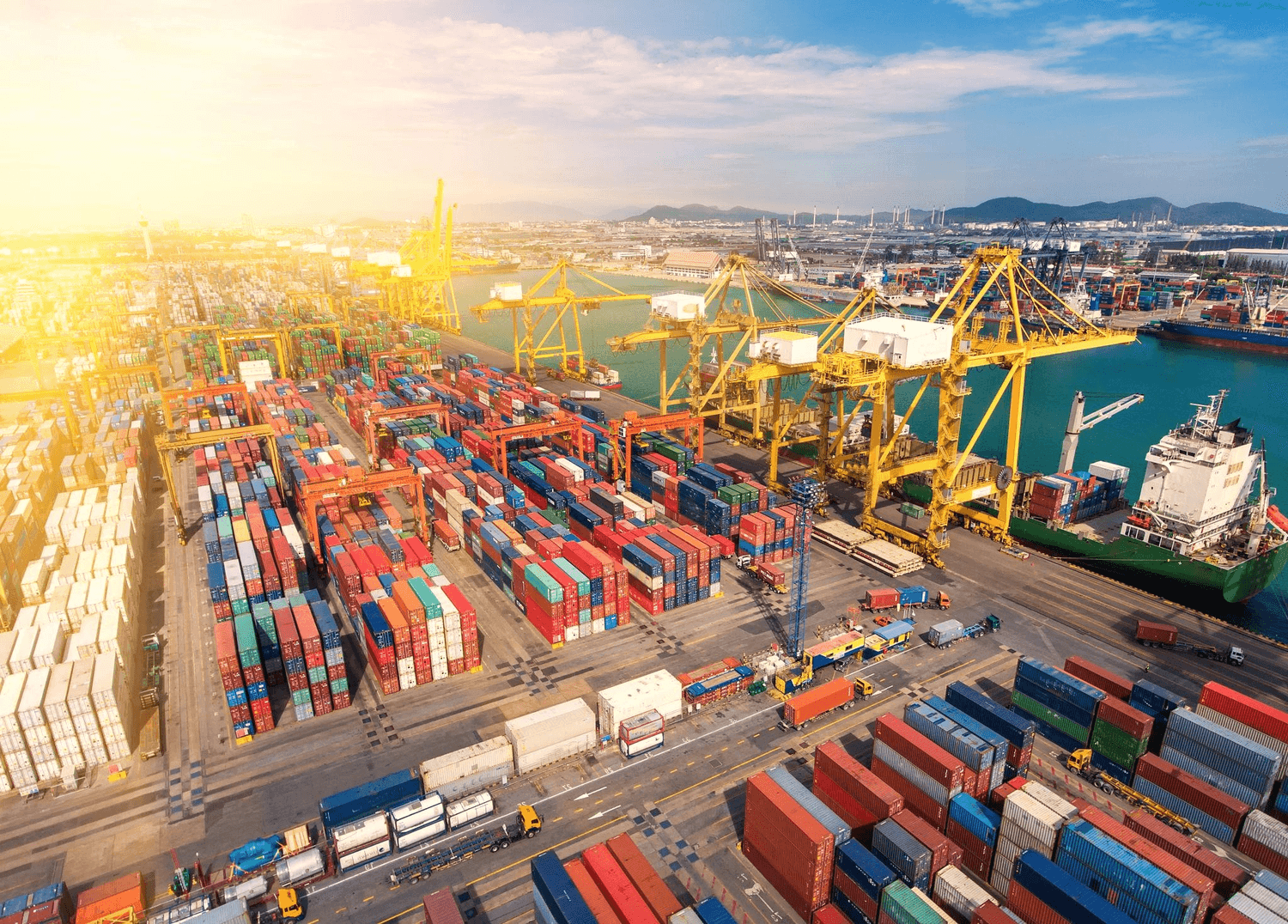
The answer lies in understanding the rise of economic nationalism and how it is reshaping the global economy.
What Is Economic Nationalism?
Economic nationalism is the belief that a nation's economic interests should take priority over unrestricted global integration.
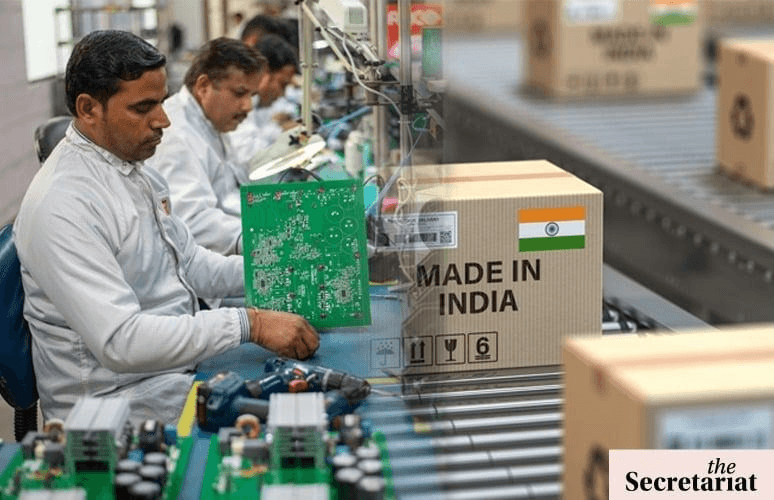
Governments embracing economic nationalism often seek to:
Protect domestic industries
Reduce dependence on foreign suppliers
Promote local manufacturing
Safeguard strategic sectors
Strengthen national economic security
Economic nationalism does not necessarily mean complete isolation from global markets. Instead, it reflects a growing willingness to intervene in markets to advance national interests.
In recent years, this philosophy has gained traction across both developed and emerging economies.
The Golden Age of Globalization
To understand today's shift, it is important to revisit the globalization era.
From the 1990s through much of the 2010s, businesses optimized operations around efficiency and cost reduction.
Companies increasingly:
Manufactured products where labor was cheapest
Sourced components globally
Expanded international operations
Relied on just-in-time supply chains
Countries specialized according to their competitive advantages.
For example:
China became the world's manufacturing hub.
Germany excelled in industrial exports.
United States led in technology and finance.
Consumers benefited from lower prices, while businesses achieved higher margins.
For decades, the model appeared highly successful.
What Changed?
Several major events exposed vulnerabilities in hyper-globalized systems.
1. The Global Financial Crisis
The 2008 financial crisis revealed how interconnected economies could transmit shocks across borders.
Many governments began questioning whether excessive dependence on global markets increased systemic risk.
2. The US-China Strategic Rivalry
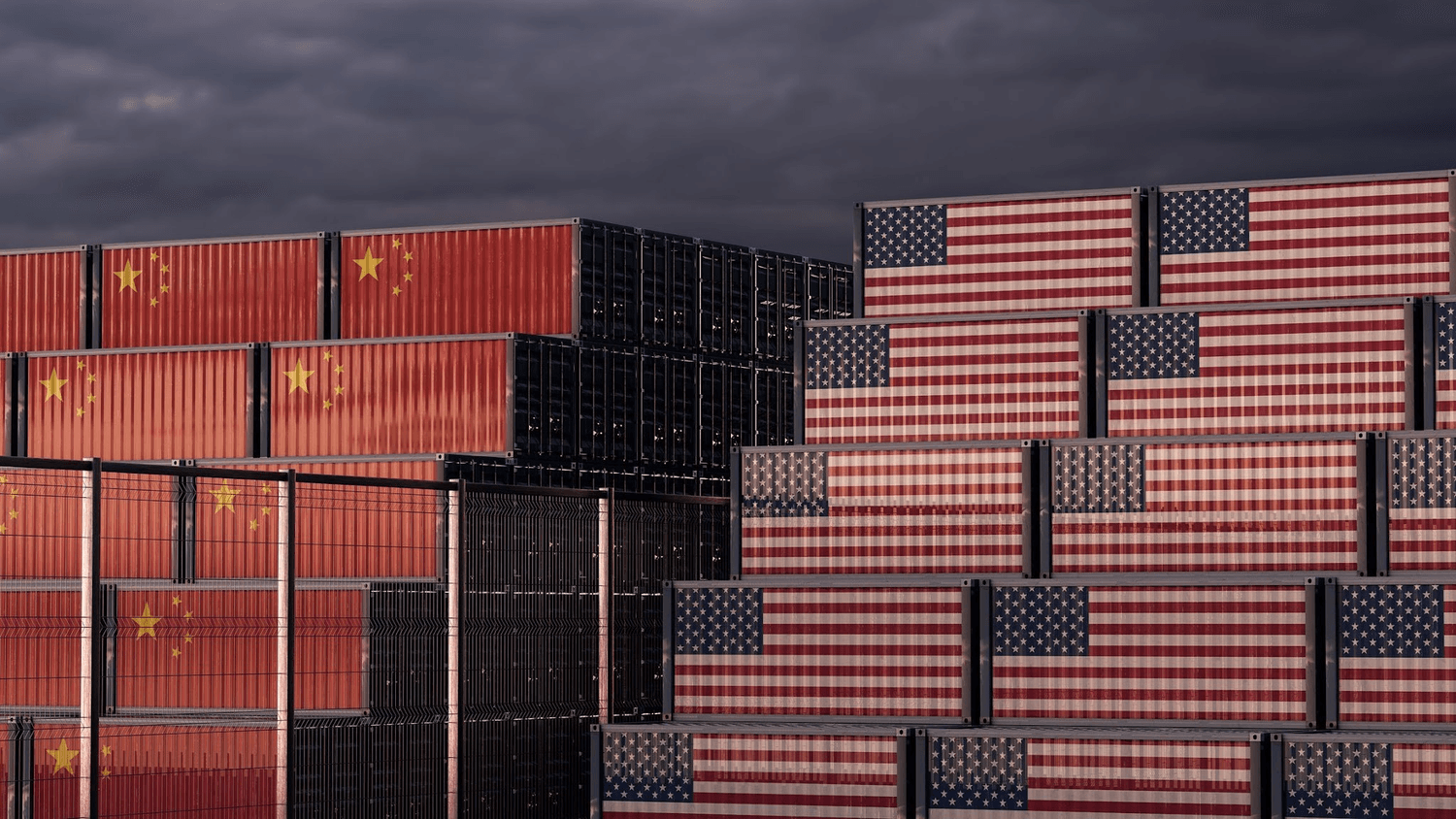
One of the biggest drivers of economic nationalism has been the growing strategic competition between the United States and China.
What began as a trade dispute evolved into a broader competition involving:
Technology
Semiconductors
Artificial Intelligence
Critical minerals
National security
Both countries increasingly view economic dependence as a potential strategic vulnerability.
As a result, governments have become more willing to intervene in markets and supply chains.
3. The Pandemic Shock
The COVID-19 pandemic exposed weaknesses in global supply chains.
Countries experienced shortages of:
Medical equipment
Pharmaceuticals
Semiconductors
Consumer goods
Many governments realized that efficiency had come at the expense of resilience.
The pandemic accelerated calls for domestic production of critical goods.
4. Geopolitical Conflicts
Recent geopolitical tensions have further reinforced concerns about economic dependence.
Governments are increasingly asking:
What happens if critical imports are disrupted?
Can essential industries survive external shocks?
Should strategic sectors be controlled domestically?
These concerns have transformed economic security into a national priority.
The Return of Industrial Policy
One of the clearest signs of economic nationalism is the resurgence of industrial policy.
For decades, many governments largely allowed markets to determine industrial outcomes.
Today, policymakers are taking a more active role.
Areas Receiving Major Support
Semiconductor manufacturing
Renewable energy
Electric vehicles
Defense technologies
Artificial Intelligence
Critical minerals
Governments increasingly view these sectors as strategically important rather than purely commercial industries.
From Global Supply Chains to Regional Supply Chains
Globalization is not disappearing, but supply chains are changing.
Companies increasingly emphasize:
Nearshoring
Moving production closer to end markets.
Examples include relocating manufacturing from distant regions to nearby countries.
Friend-Shoring
Building supply chains among trusted geopolitical partners.
Diversification
Reducing dependence on a single country or supplier.
The goal is resilience rather than maximum efficiency.
Winners of the New Economic Landscape
Several countries are benefiting from changing supply chain strategies.
India
India is attracting investment through:
Manufacturing expansion
Digital infrastructure
Skilled workforce availability
The country is increasingly viewed as an alternative production and technology hub.
Vietnam
Vietnam has emerged as a major beneficiary of supply chain diversification.
Advantages include:
Competitive labor costs
Strategic location
Export-oriented policies
Many multinational corporations have expanded manufacturing operations there.
Mexico
Mexico benefits from proximity to the United States.
Companies seeking nearshoring opportunities increasingly view Mexico as an attractive manufacturing destination.
Indonesia
Indonesia is gaining importance because of its:
Large domestic market
Critical mineral resources
Growing industrial capabilities
Is Globalization Actually Reversing?
The evidence suggests the answer is both yes and no.
Yes, in Certain Areas
Countries are becoming more protective regarding:
Strategic technologies
National security industries
Critical infrastructure
Sensitive data
Governments are intervening more aggressively than they did during the peak globalization era.
No, in Other Areas
Global trade remains enormous.
International investment continues.
Digital services cross borders instantly.
Knowledge, innovation, and capital remain highly interconnected.
Rather than deglobalization, many experts describe the current trend as:
The Risks of Economic Nationalism
While economic nationalism offers certain benefits, it also carries risks.
Higher Costs
Domestic production is often more expensive than global sourcing.
Consumers may ultimately pay higher prices.
Reduced Efficiency
Global specialization has historically improved productivity.
Excessive protectionism can reduce competitiveness.
Trade Tensions
Retaliatory tariffs and restrictions can create economic friction between nations.
Innovation Challenges
Open collaboration often accelerates innovation.
Overly fragmented markets may slow technological progress.
Why Governments Continue to Embrace It
Despite the risks, policymakers see several advantages.
National Security
Critical industries are viewed as too important to depend entirely on foreign suppliers.
Economic Resilience
Diversified supply chains reduce vulnerability to shocks.
Job Creation
Domestic manufacturing investments can generate employment opportunities.
Political Appeal
Protecting local industries often resonates strongly with voters.
What Does This Mean for Businesses?
Businesses must adapt to a more complex environment.
Key priorities increasingly include:
Supply chain diversification
Geopolitical risk assessment
Regional manufacturing strategies
Compliance with evolving regulations
Greater operational resilience
The era of optimizing solely for cost is giving way to an era of balancing cost, resilience, and security.
Looking Toward 2040
Several trends are likely to shape the next phase of globalization:
More Regional Trade Networks
Supply chains may become increasingly regional rather than purely global.
Strategic Technology Competition
Countries will continue competing in areas such as AI, semiconductors, and clean energy.
Increased Government Intervention
Industrial policy is likely to remain a major economic tool.
Continued Global Interdependence
Despite political tensions, complete economic decoupling remains unlikely.
Conclusion
The rise of economic nationalism marks one of the most significant shifts in the global economy since the end of the Cold War.
Governments are increasingly prioritizing resilience, strategic autonomy, and national security alongside economic growth. Trade, investment, and international cooperation remain important, but they are no longer the only considerations driving policy decisions.
Globalization is not ending. Instead, it is evolving.
The hyper-globalized world built around maximum efficiency is giving way to a more complex system shaped by geopolitics, technology competition, supply-chain resilience, and national interests.
For businesses, investors, and policymakers, understanding this transition will be essential. The future economy may be less about where products can be made most cheaply and more about where they can be made most securely.
The age of globalization is not over but the rules are changing.