
The Future of Global Jobs: Which Countries Are Winning the Talent War?
Introduction
For decades, countries competed for natural resources, manufacturing capacity, and capital investment. Today, the most valuable resource is increasingly human talent.
As economies become more knowledge-driven and technology-centric, nations are racing to attract highly skilled workers, entrepreneurs, researchers, engineers, healthcare professionals, and digital specialists. This global competition—often referred to as the Talent War—is reshaping labor markets, immigration policies, education systems, and economic strategies worldwide.
The countries that attract and retain top talent are likely to become the innovation hubs, startup ecosystems, and economic powerhouses of the future.
The question is no longer which country has the most jobs. The question is: Which country has the best talent, and which country is best at attracting it?
Why Talent Has Become the World's Most Valuable Resource
Historically, economic success depended heavily on:
Natural resources
Industrial production
Geographic advantages
Trade routes
Today, competitive advantage increasingly comes from:
Skilled workers
Scientific research
Innovation
Entrepreneurship
Digital expertise
A highly skilled software engineer, AI researcher, biotech scientist, or semiconductor expert can create economic value far exceeding traditional resource-based industries.
Countries now understand that attracting talent can accelerate:
GDP growth
Innovation
Startup creation
Foreign investment
Technological leadership
As a result, governments are investing heavily in talent acquisition and retention strategies.
The Forces Reshaping Global Employment
Several major trends are transforming the global workforce.
1. Remote Work Has Globalized Opportunity
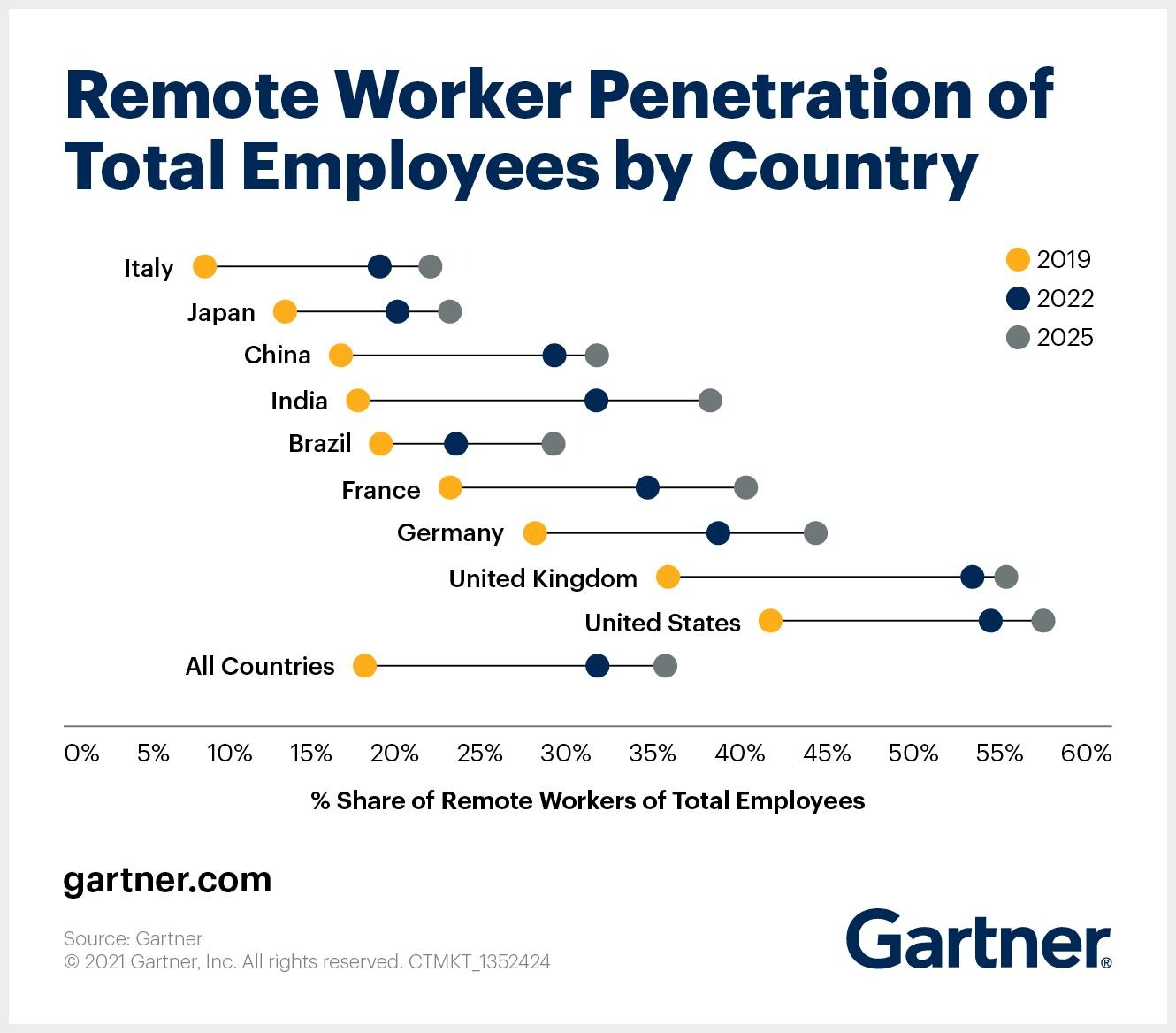
The rise of remote work has fundamentally changed hiring.
Companies can now recruit:
Engineers in India
Designers in Eastern Europe
Analysts in Southeast Asia
Marketers in Latin America
Geography is becoming less important for many knowledge-based roles.
This has created a truly global labor market where workers compete internationally rather than locally.
2. Demographic Shifts Are Creating Labor Shortages
Many developed nations face aging populations and declining birth rates.
Countries experiencing significant workforce challenges include:
Japan
Germany
Italy
South Korea
As older workers retire, these economies must increasingly rely on immigration and foreign talent to fill critical positions.
3. AI Is Changing Skill Requirements
Artificial Intelligence is not eliminating all jobs—it is changing which skills are valuable.
Growing demand exists for:
AI specialists
Data scientists
Cybersecurity experts
Cloud architects
Product managers
Healthcare professionals
Skilled trades
Routine administrative roles face increasing automation pressure.
The Countries Winning the Talent War
🇺🇸 United States: Still the Global Talent Magnet
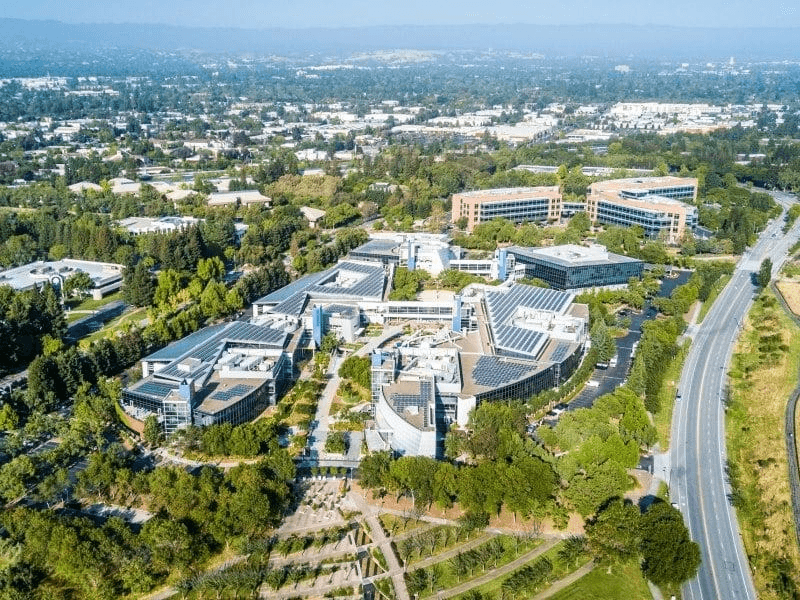
The United States remains the world's strongest talent destination.
Why It Leads
Home to many of the world's leading universities
Strong startup ecosystem
High salaries
Deep venture capital markets
Access to global innovation networks
The country continues to attract:
Engineers
Scientists
Entrepreneurs
Researchers
Major innovation hubs such as:
San Francisco
Austin
Seattle
Boston
continue to pull talent from around the world.
China
Visa restrictions
High living costs
Growing competition from other countries
Even so, the U.S. remains the benchmark for global talent attraction.
🇨🇦 Canada: The Immigration Success Story
Canada has become one of the biggest winners in the global talent race.
Advantages
Immigration-friendly policies
High quality of life
Strong technology sector
Political stability
Cities such as:
Toronto
Vancouver
Montreal
have become attractive alternatives for international professionals.
Canada's streamlined immigration pathways make it easier for skilled workers to relocate compared to many competing nations.
🇬🇧 United Kingdom: A Global Financial and Innovation Hub
The UK continues to attract talent through:
World-class universities
Financial services leadership
Growing technology ecosystem
Key hubs include:
London
Cambridge
Manchester
The UK's challenge is maintaining competitiveness while navigating changing immigration policies and rising global competition.
🇩🇪 Germany: Europe's Industrial Powerhouse
Germany remains one of Europe's strongest talent destinations.
High-Demand Areas
Engineering
Manufacturing
Automotive technology
Renewable energy
Software development
The country faces significant labor shortages due to demographic decline, creating opportunities for international professionals.
🇸🇬 Singapore: The Asian Talent Hub
Singapore has positioned itself as one of Asia's most attractive destinations for global professionals.
Key Strengths
Business-friendly regulations
Strategic location
Strong financial sector
Technology investments
High living standards
Many multinational corporations use Singapore as their regional headquarters for Asia-Pacific operations.
🇦🇪 United Arab Emirates: Building a Knowledge Economy
Over the last decade, the UAE has transformed itself into a global talent destination.
Cities like:
Dubai
Abu Dhabi
have attracted:
Technology professionals
Entrepreneurs
Investors
Remote workers
Tax advantages and ambitious economic diversification strategies continue to attract global talent.
The Emerging Contenders
🇮🇳 India: The World's Talent Factory
India may not yet attract as much foreign talent as some Western countries, but it is becoming one of the world's largest producers of skilled workers.
Competitive Advantages
Large young population
Strong STEM education base
Massive digital economy
Growing startup ecosystem
Cities such as:
Bengaluru
Hyderabad
Pune
have become major technology centers.
Increasingly, global companies are building talent hubs in India rather than simply outsourcing work.
🇻🇳 Vietnam
Vietnam is emerging as a manufacturing and technology destination due to:
Competitive labor costs
Young workforce
Growing digital economy
Many multinational companies are expanding operations there as part of supply chain diversification efforts.
🇸🇦 Saudi Arabia
Saudi Arabia is investing heavily in attracting global talent through economic transformation initiatives.
Focus sectors include:
Technology
Renewable energy
Tourism
Infrastructure
Artificial Intelligence
Large-scale projects are creating demand for international expertise.
Which Skills Are Winning Globally?
Regardless of country, demand is increasingly concentrated in a few high-growth categories.
Technology
Software Engineering
AI and Machine Learning
Data Science
Cloud Computing
Cybersecurity
Healthcare
Doctors
Nurses
Medical Researchers
Healthcare Technologists
Engineering
Semiconductor Engineering
Renewable Energy
Robotics
Industrial Automation
Business
Product Management
Digital Marketing
Financial Analysis
Strategy and Operations
Workers who combine technical expertise with business understanding are becoming particularly valuable.
The Rise of Borderless Careers
One of the biggest shifts in the global labor market is the emergence of borderless careers.
Increasingly, professionals can:
Live in one country
Work for a company in another
Collaborate with teams across multiple continents
This trend is creating new opportunities but also increasing competition.
Talent is no longer competing only with local workers—it is competing with the world's best.
Challenges Ahead
Despite growing opportunities, several risks remain.
Immigration Restrictions
Political concerns may limit talent mobility.
Cost of Living
Major talent hubs are becoming increasingly expensive.
Skills Gaps
Education systems often struggle to keep pace with changing industry demands.
Brain Drain
Developing nations risk losing top talent to wealthier economies.
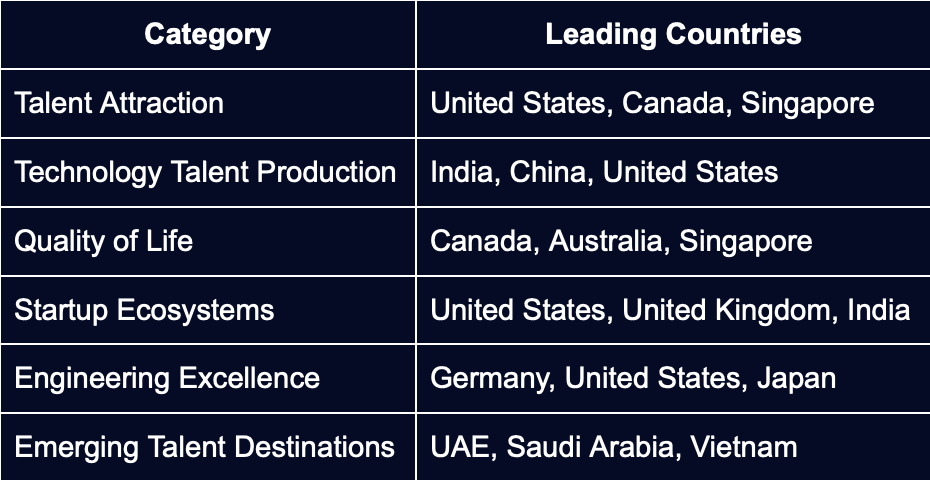
Who Is Winning the Talent War?
Conclusion
The future of global jobs is being shaped by a fierce competition for talent. Countries are no longer just competing for investment or trade—they are competing for people.
The United States continues to dominate talent attraction, Canada has become a model for immigration-driven growth, Singapore has emerged as Asia's talent hub, and India is rapidly becoming the world's largest source of skilled professionals.
As remote work, AI, demographic shifts, and globalization continue to transform labor markets, the countries that successfully attract, develop, and retain talent will gain a significant advantage in the global economy.
In the coming decades, talent—not oil, manufacturing capacity, or even capital—may become the most important determinant of national success.