The Next Economic Superpowers: Which Countries Could Dominate by 2040?
Introduction
The global economic map is undergoing one of the most significant transformations in modern history.
For much of the past century, economic power has been concentrated in a handful of developed nations, particularly the United States, Western Europe, and Japan. However, shifting demographics, technological advancement, industrialization, urbanization, and changing trade patterns are creating new centers of economic influence.
By 2040, the world's economic hierarchy could look dramatically different from today.
While established powers will remain influential, a new generation of countries is positioning itself to become the economic engines of the future. These nations are investing heavily in infrastructure, education, technology, manufacturing, energy, and innovation to capture a larger share of global growth.
The question is no longer whether new economic superpowers will emerge—it is which countries are most likely to lead the next era of global prosperity.
What Creates an Economic Superpower?
Economic dominance is not determined by GDP alone.
Countries that become long-term economic leaders typically combine several advantages:
Large and Productive Populations
A growing workforce fuels economic expansion and consumer demand.
Strong Institutions
Political stability, regulatory efficiency, and rule of law encourage investment.
Innovation and Technology
Research, entrepreneurship, and technological leadership drive productivity.
Industrial and Manufacturing Capacity
Countries that produce critical goods often gain strategic advantages.
Access to Capital
Investment enables businesses to scale and innovate.
Global Trade Integration
Strong trade networks increase economic resilience and market access.
The countries best positioned for 2040 are those building strength across multiple dimensions.
The United States: Can It Maintain Its Lead?
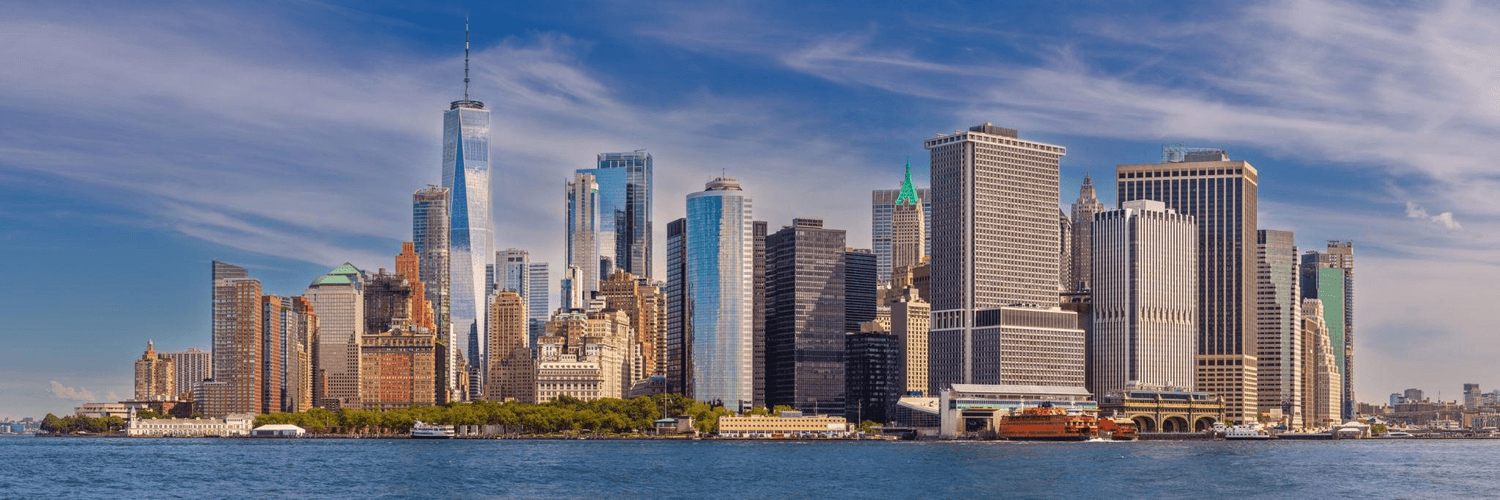
Despite predictions of decline, the United States remains remarkably well-positioned.
Strengths
Global reserve currency
World-leading universities
Strong innovation ecosystem
Deep capital markets
Leadership in AI and advanced technologies
Energy independence improvements
The U.S. continues to dominate sectors such as:
Artificial Intelligence
Biotechnology
Aerospace
Software
Financial services
Challenges
Rising national debt
Political polarization
Infrastructure gaps
Increasing competition from Asia
Even so, the United States is likely to remain one of the world's most influential economies through 2040.
India: The Strongest Candidate for Future Growth
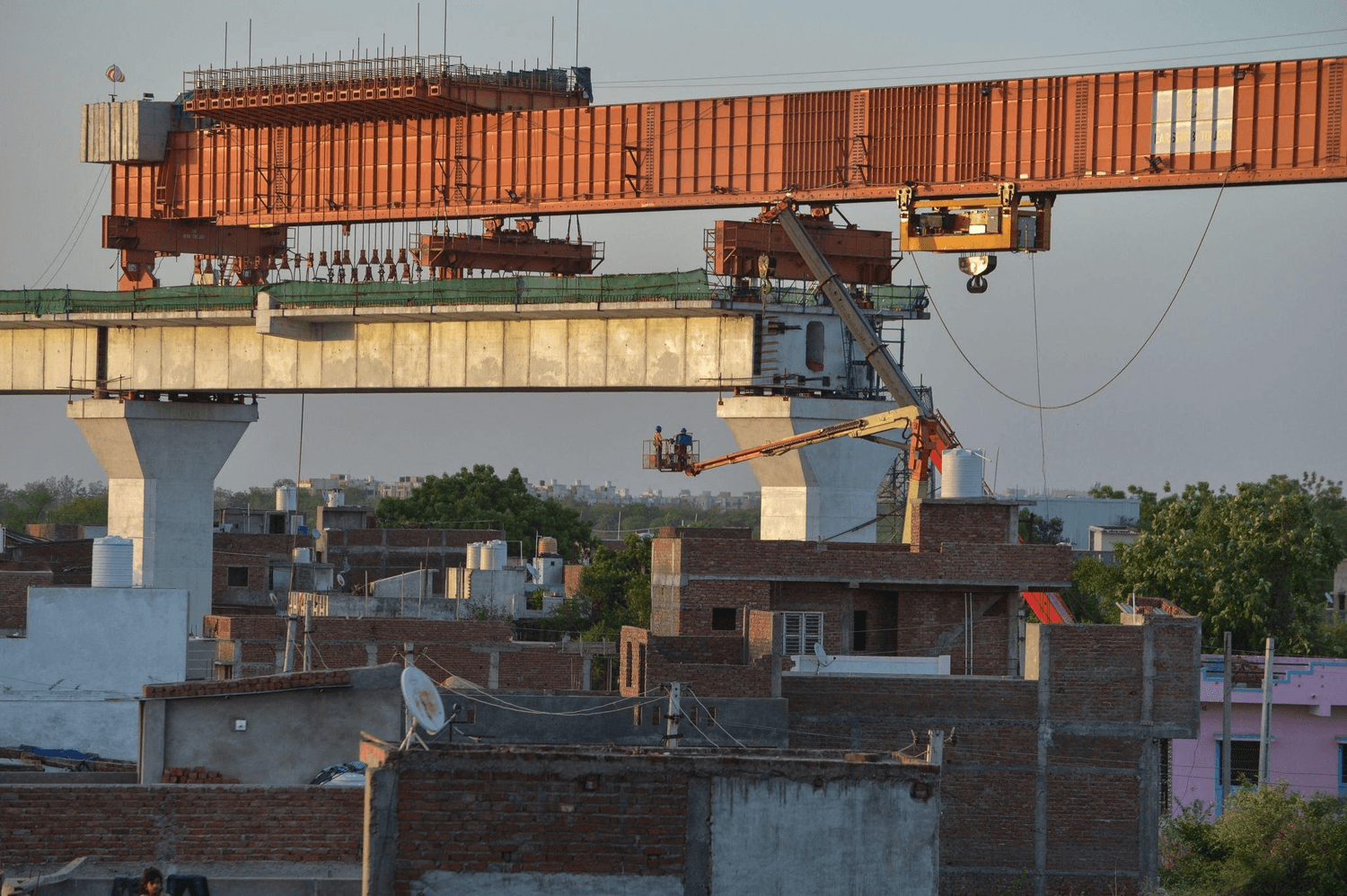
Many economists view India as the most significant emerging economic story of the coming decades.
Why India Stands Out
Demographic Advantage
India possesses one of the world's youngest populations.
While many developed economies face aging workforces, India is expected to maintain a large labor force for decades.
Technology Leadership
India has become a major center for:
Software development
Digital services
Startup innovation
Fintech
Cities such as:
Bengaluru
Hyderabad
Pune
are increasingly competing with global technology hubs.
Manufacturing Expansion
Government initiatives and supply-chain diversification are encouraging companies to expand production in India.
Risks
Infrastructure bottlenecks
Income inequality
Skills development challenges
If reforms continue, India could become one of the world's three largest economies by 2040.
China: Still a Major Economic Force
China's rapid rise transformed the global economy over the past four decades.
Although growth has slowed compared to previous years, China remains a formidable economic power.
Strengths
Manufacturing dominance
Massive domestic market
Infrastructure scale
Technology investment
Global trade influence
China continues to lead in:
Electric vehicles
Battery production
Industrial manufacturing
Renewable energy deployment
Challenges
Aging population
Rising labor costs
Geopolitical tensions
Real estate sector pressures
Even with slower growth, China's economic scale ensures it will remain one of the world's most powerful economies.
Indonesia: The Quiet Giant
Indonesia is often overlooked in discussions about future economic powerhouses.
That may be a mistake.
Why Indonesia Matters
● Large population
● Expanding middle class
● Strategic location
● Rich natural resources
● Digital economy growth
The country sits at the center of major trade routes and benefits from growing demand for critical minerals used in batteries and clean energy technologies.
If governance and infrastructure continue improving, Indonesia could become one of the world's most important emerging economies.
Vietnam: The Manufacturing Challenger
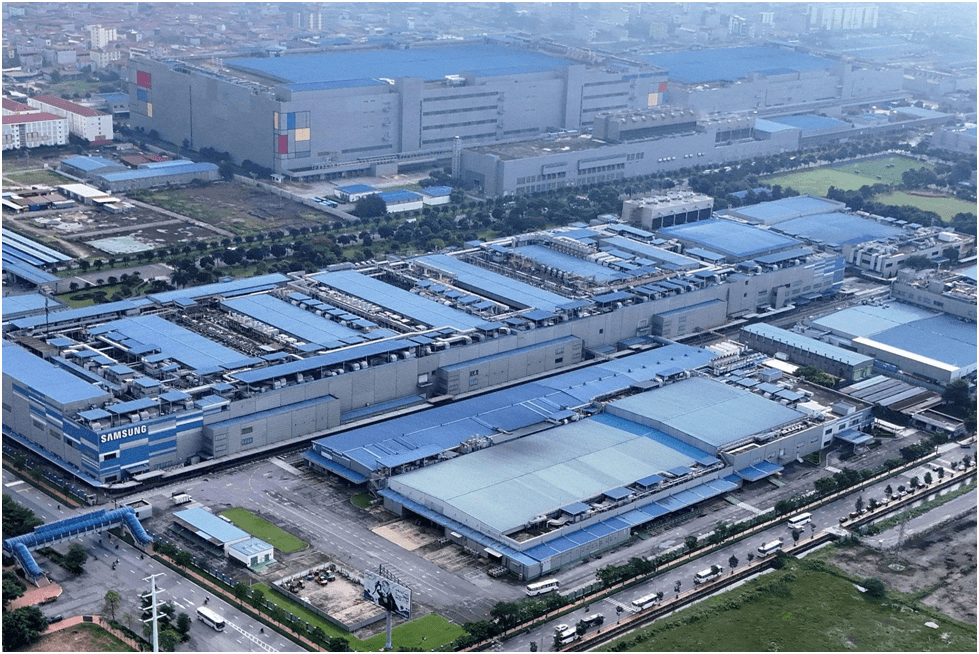
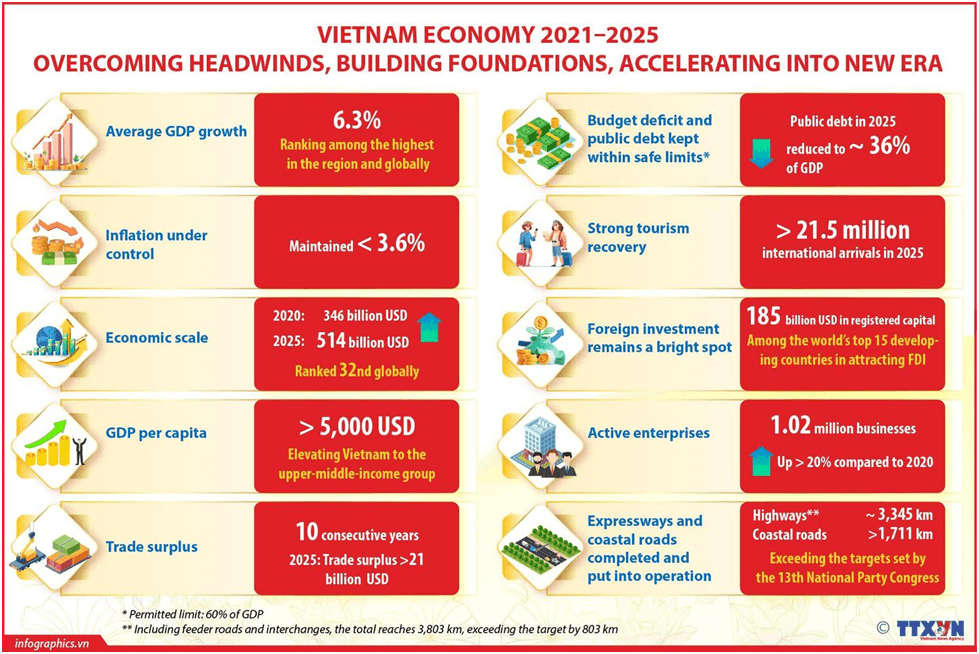
Vietnam has emerged as one of the biggest beneficiaries of global supply-chain diversification.
Competitive Advantages
Competitive labor costs
Business-friendly reforms
Growing exports
Strategic location in Asia
Many multinational corporations are expanding operations in Vietnam as they seek alternatives to concentrated manufacturing hubs.
While Vietnam may not become a superpower in absolute size, it could become one of the most influential middle-income economies in the world.
Saudi Arabia: Betting on Economic Transformation
Historically dependent on oil revenues, Saudi Arabia is investing heavily in diversification.
Key Focus Areas
● Tourism
● Technology
● Renewable energy
● Infrastructure
● Logistics
● Artificial Intelligence
Massive investment programs aim to reduce reliance on hydrocarbons and create new engines of growth.
Success is not guaranteed, but the scale of investment makes Saudi Arabia one of the most closely watched economic transformation stories.
The United Arab Emirates: Building a Global Business Hub
The UAE has successfully positioned itself as a bridge between East and West.
Cities such as:
● Dubai
● Abu Dhabi
have become major centers for:
● Finance
● Trade
● Tourism
● Technology
● Entrepreneurship
Its ability to attract global talent and investment gives it influence beyond its population size.
Africa's Rising Economies
Africa is expected to account for a significant share of global population growth by 2040.
Several countries could emerge as major economic players.
Nigeria
Strengths include:
● Large population
● Entrepreneurial culture
● Expanding technology ecosystem
Kenya
Known for:
● Fintech innovation
● Digital entrepreneurship
● Regional leadership
Egypt
Benefits from:
● Strategic geography
● Infrastructure investments
● Growing industrial base
Africa's long-term potential remains one of the most important economic stories of the century.
The New Battlegrounds of Economic Power
Future economic leadership will increasingly depend on success in several strategic sectors.
Artificial Intelligence
Countries leading AI development could gain major productivity advantages.
Semiconductors
Control over advanced chip manufacturing will remain strategically important.
Clean Energy
Leadership in solar, wind, batteries, and hydrogen could shape future industries.
Biotechnology
Healthcare innovation may become a major driver of economic growth.
Critical Minerals
Resources essential for electric vehicles and renewable energy systems are becoming increasingly valuable.
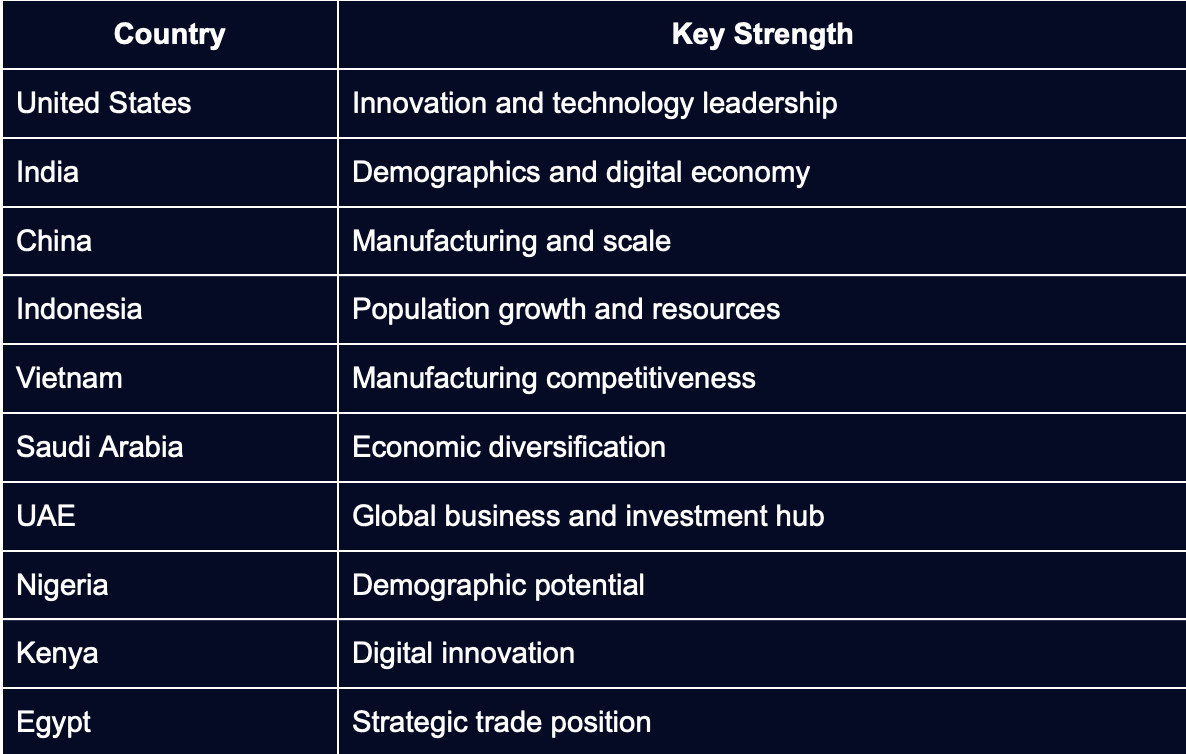
Who Could Be the Biggest Winners by 2040?
What Could Derail Future Growth?
Not every growth story succeeds.
Potential risks include:
Geopolitical Conflicts
Trade disputes and regional tensions can slow investment.
Climate Change
Extreme weather and resource pressures may affect productivity.
Aging Populations
Many countries face shrinking workforces.
Debt Levels
Excessive public and private debt can limit future growth.
Technological Disruption
Countries that fail to adapt may lose competitiveness.
Conclusion
The economic superpowers of 2040 may not look exactly like the leaders of today.
While the United States and China are likely to remain dominant forces, countries such as India, Indonesia, Vietnam, Saudi Arabia, and several African economies are increasingly positioned to play larger roles in the global economy.
The winners will not simply be those with the largest populations or the most natural resources. They will be the nations that successfully combine talent, technology, infrastructure, innovation, and adaptability.
The next two decades will witness one of the most significant redistributions of economic influence in modern history. For investors, businesses, policymakers, and workers alike, understanding these shifts may be essential to navigating the future.
By 2040, the world's economic center of gravity could be more diverse, more digital, and more globally distributed than ever before.